


Pipe benders for refrigerant lines
A kinked pipe narrows the cross-section and cannot be repaired. With the right tool the cross-section survives even tight radii. Which solution fits depends on diameter, pipe quality and how often you bend.
In short
A bending spring for occasional work on soft pipe. Cheap and small, but the radius stays generous.
A bending tool holds the radius defined and manages tighter bends without kinking.
Annealed pipe bends, hard-drawn does not. Pipe from a coil is meant for it, straight lengths often are not.
3 units compared
All bending tools in the range (80 items)Entry level
Our pick
Premium
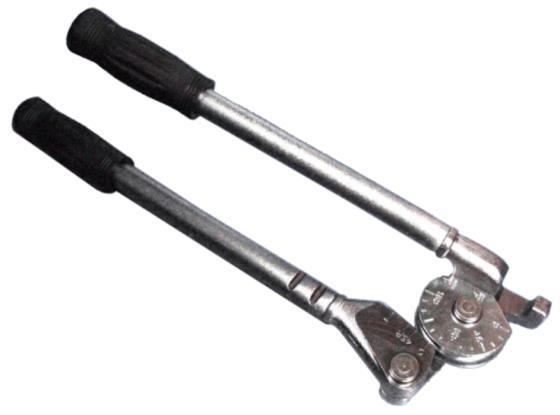
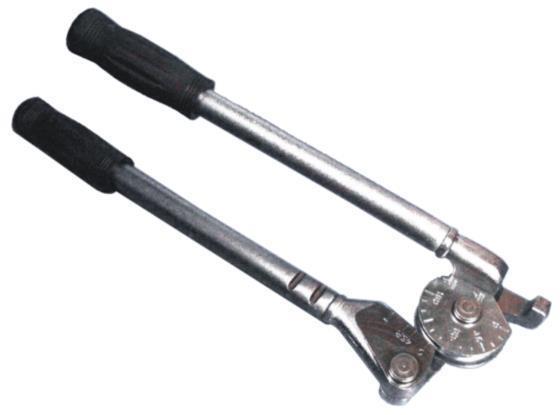
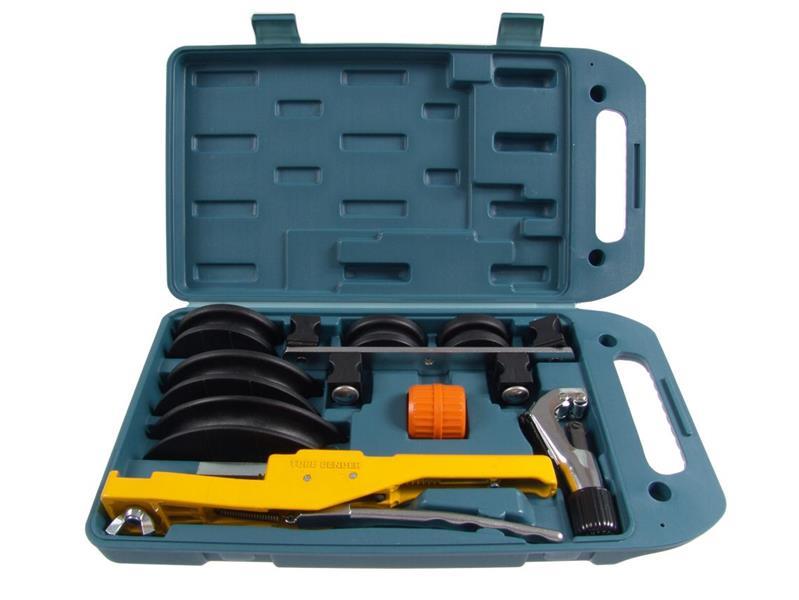
Item number
47-329230-38R
47-329230-58R
47-329230-05
Availability
in stock
in stock
in stock
Price
€26.13
incl. VAT, plus shipping
€52.26
incl. VAT, plus shipping
€101.03
incl. VAT, plus shipping
Net prices for trade customers
Same-day dispatch for orders placed before 10:30 CET
Technical advice on +49 2554 912 959 6
What matters when choosing
- Bending spring or bending tool The spring is cheap, small and enough for soft pipe and generous radii. A bending tool holds the radius defined, manages tighter bends and delivers reproducible results.
- Covering the diameters Air conditioning lines run imperial from 1/4" to 3/4", refrigeration applications often metric from 6 to 18 mm. Sets usually cover only part of that; check which sizes you actually work with.
- Spring inside or outside Internal springs guide the pipe through the bend from inside; external springs are quicker to fit. On pre-assembled lines that decides whether the spring fits at all.
- Radius and available space The smallest sensible radius depends on the diameter. Bending too tightly in front of a wall flattens the cross-section, even when no kink is visible from outside.
- Pipe quality Annealed refrigeration tube can be bent; hard-drawn straight lengths cannot, not without further work. Copper pipe from a DIY-store coil is generally not suitable for refrigerant lines.
Refrigerant and safety group
A1
No special demands on the bending tool.
A2L / A3 (R32, R454B, R290)
The tool stays the same. With flammable refrigerants every weak point in the line weighs heavier, so clean bends and a tightness test belong together.
Frequently asked questions
Bending spring or pipe bender?
For occasional work on soft pipe the spring is enough. Anyone bending regularly, needing tight radii or wanting reproducible results is better off with a bending tool.
How tightly may I bend a refrigerant line?
As tightly as the tool provides for that diameter. Radii that are too tight flatten the cross-section. You cannot always see it from outside, and it costs capacity all the same.
Can I use copper pipe from a DIY store?
Generally not for refrigerant lines. Use refrigeration tube of the right quality and wall thickness. Hard or unsuitable pipe cracks when bent and when flared.