


Choosing the right recovery cylinder
Recovered refrigerant needs an approved container. A recovery cylinder is not the same as the disposable cylinder from your supplier: it is refillable, marked, and has to match the refrigerant group.
3 units compared
All empty cylinders in the range (10 items)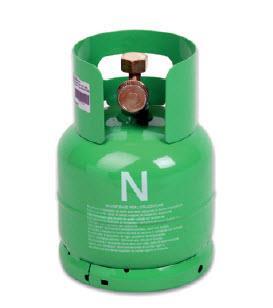
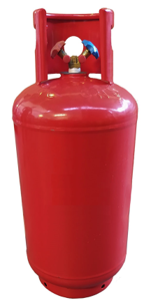
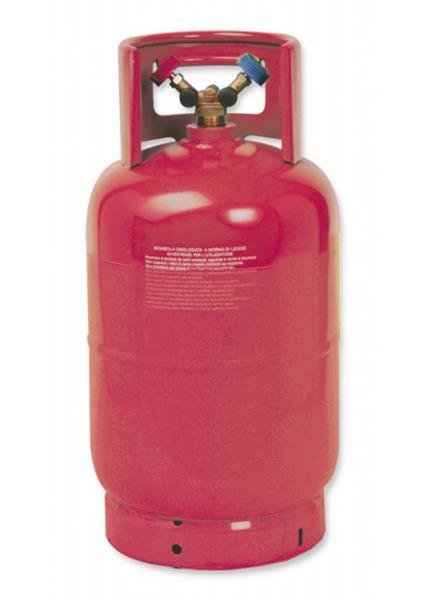
What matters when choosing
- Size according to charge 12.5 litres covers ordinary split systems. Anyone serving larger systems, or running several recoveries in sequence, gets further with 61 litres. Chosen too large means: heavy to carry and rarely full.
- One valve or two With two valves you reach the liquid and vapour phase separately. During recovery and later refilling that saves time and reconnecting.
- Marking and assignment Recovery cylinders are marked and assigned to a refrigerant group. If a cylinder is filled with the wrong substance, the contents are no longer usable.
- Approval and test interval Pressure vessels are subject to periodic inspection. Check the test date and the approval before putting a cylinder into service.
- Matching the recovery unit Connections, valves and hoses should match the unit. Every additional adapter is one more place that can leak.
Refrigerant and safety group
Frequently asked questions
May I use a disposable cylinder for recovery?
No. Recovered refrigerant belongs in a refillable cylinder approved for the purpose. Disposable containers are not intended for recovery.
How full may a refrigerant cylinder be filled?
Only to the permitted fill level. Refrigerant expands with temperature, and an overfilled cylinder is a safety risk. The permitted value is on the cylinder; the refrigerant scale provides the evidence.
What do I do with mixed refrigerant?
Mixed or contaminated refrigerant belongs in reclamation, not back into a system. Collect it separately and mark the cylinder accordingly.
Do I need a separate cylinder for R290?
Yes. For A3 refrigerants, explicitly approved cylinders must be used, and valves as well as seals have to be suitable for propane.